About this card
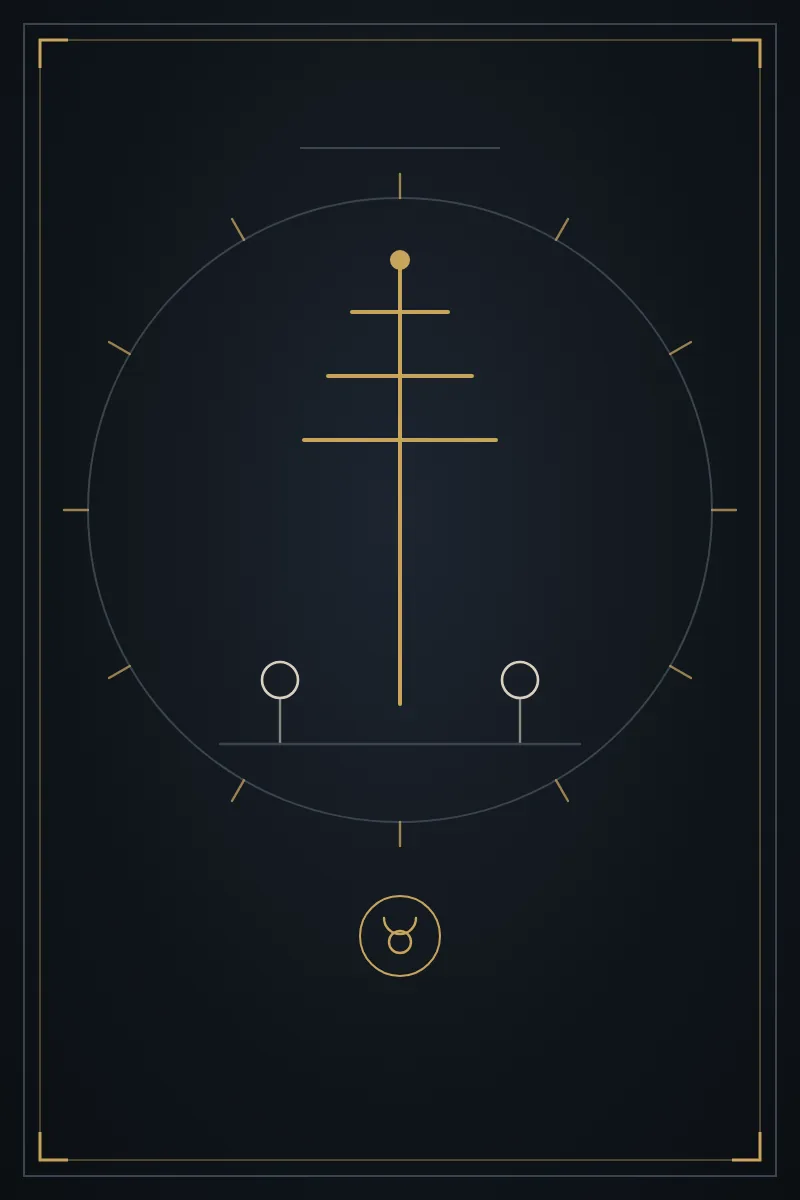
The Hierophant, card number five, sits between two massive pillars in the role of teacher and keeper of tradition. He wears a triple crown, raises one hand in blessing and holds in the other a cross with three bars. Before him two figures kneel, waiting to be taught. It is the card of knowledge handed down through generations, of shared values, rituals and the institutions that give life its shape. Unlike the Priestess, who seeks answers within, the Hierophant seeks them in the wisdom of a community and in tried paths of learning. Tradition links him with the sign of Taurus and with Venus as a guardian of steadiness. In the Sky Atlas we treat him as a question about whom and what you are learning from.
Upright meaning — expanded
Upright, the Hierophant points to the value of learning from someone with more experience. It may be a mentor, a teacher, a course, a family tradition or a recognised method of work. The card speaks of accord with principles: proven procedures, shared values and belonging to a group can give support, especially in uncertain times. It also stresses the meaning of rituals — weddings, ceremonies, regular practices — that order time and lend it significance. The Hierophant encourages you to learn the rules first and only then decide which of them are worth changing. He asks on what tradition your own convictions rest, and whether you are choosing them consciously.
Reversed meaning — expanded
The reversed Hierophant encourages you to question what you have so far accepted without reflection. It may point to rebellion against imposed rules, a need for your own path, or disappointment with an institution that failed expectations. It can also signal dogmatism — clinging to patterns only because it has always been done that way. On the other hand, it warns against rejecting all knowledge simply because it comes from tradition. It is worth asking: what of what I was taught is still true, and what did I take on out of habit? The reversal does not call for rejecting everything but for conscious choice.
Love — deeper
In love, the Hierophant speaks of a bond founded on shared values and a shared picture of the future. It is the card of commitment: weddings, engagements, family traditions, declarations that give a relationship a formal shape. For those seeking a partner it suggests that agreement on basics matters: attitudes to family, faith, way of life. In a partnership it encourages a conversation about what is your foundation, and the creation of rituals of your own, such as a shared Sunday or an annual trip. Reversed, it can mean a clash between family expectations and your own wishes, or resistance to convention.
Work — deeper
In professional matters the Hierophant favours training, certificates, study and the search for a mentor. It is a good moment to learn tried working methods, formally confirm your competence or join a team with an established culture. The card suits teaching, law, administration, spiritual work, counselling and research into tradition. It reminds you that institutions and procedures have their reasons, even when tiresome. At the same time, consider when it is time to pass your own knowledge on. Reversed, it points to bureaucracy that stalls action, or to a need to develop an unconventional approach.
Advice — deeper
Look for a person you can learn from, and ask for a conversation. Write down the principles you wish to pass on, and those you are ready to revise. Invest in systematic learning: a course, a book, regular meetings. Take part in rituals that mean something to you — even small ones, like a shared dinner on Friday. Respect tradition, but do not treat it as a cage; ask why we do things this way. When someone asks you for advice, share your experience with humility.
Image symbolism
The triple crown stands for three levels of being: body, mind and spirit. The gesture of blessing — two fingers raised, two bent — recalls the passage between the higher and the earthly. The two crossed keys at his feet are outer and inner knowledge, open and hidden. The kneeling figures, in robes adorned with roses and lilies, are students and those who seek guidance. The two pillars on either side form a frame, like the building of an institution in which knowledge has its place. The whole image speaks of continuity: no one starts from zero, because each of us draws on what predecessors handed on.
Frequently asked questions
- What does the Hierophant mean in tarot?
- He is the card of tradition, learning and shared values. He points to mentors, institutions, rituals and tested paths of development. He reminds you that it is worth drawing on the experience of others while consciously deciding which principles you will keep and which you will reconsider.
- Does the Hierophant mean a wedding or a formal relationship?
- It can concern commitment and the official form of a relationship, but it is not a simple announcement of a wedding. More often it describes a need for shared values, declarations and rituals. The question and neighbouring cards shape the interpretation, so treat it as a topic for conversation.
- How should a reversed Hierophant be read?
- As an invitation to reflect on what we have taken on without thought. It may mean rebellion, a need for your own path or disappointment with an institution. It does not order you to reject tradition but encourages you to choose what truly agrees with your values.
- How does the Hierophant differ from the High Priestess?
- The Priestess turns attention inward, towards intuition and mystery. The Hierophant seeks wisdom outside, in teaching, community and tradition. The two figures show two ways of knowing that can complement each other: personal experience and knowledge passed on by others.